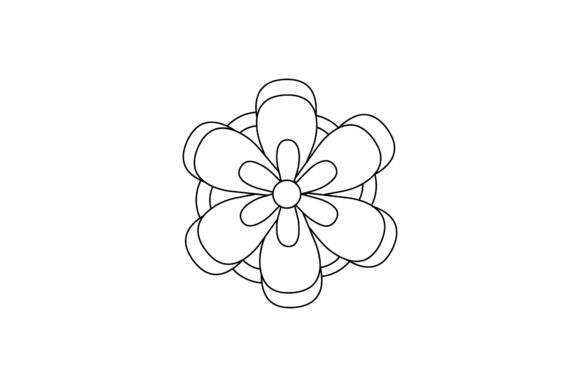
Understanding Floral Ornament Simple Design: Where Elegance Meets Versatility
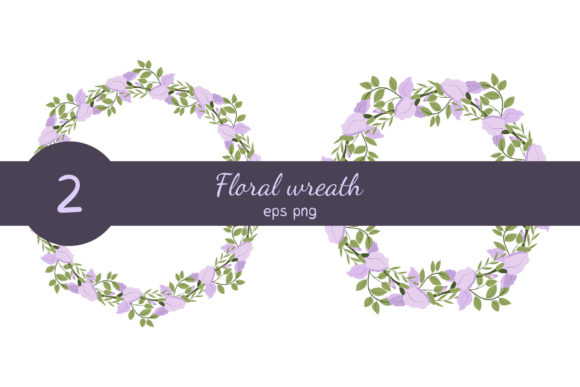
In the creative world, a Floral Ornament Simple Design isn't just a picture of a flower. It's a versatile, minimalist graphic motif, often stripped of intricate detail and color, focusing on clean lines and elegant shapes. Think of a single, stylized rose outline, a delicate vine pattern, or a symmetrical wreath composed of abstract leaves. These designs capture the essence of botanical beauty in a format that's incredibly easy to integrate into countless projects.
The key value lies in its simplicity. This isn't a dense, complex illustration. It's a fundamental building block. When you acquire a set like this, you're getting a core asset—a digital file pack ready to be customized, resized, and applied without the need to start from scratch.
Unlocking Practical Creativity: Real-World Use Cases
Let’s move beyond theory and into the situations where a Floral Ornament Simple Design becomes a powerful tool. The applications are as diverse as the people who need them.
For the Solo Entrepreneur and Crafter
Imagine you're launching a small business selling handmade soy candles. Your branding needs a touch of nature and elegance, but you're not a graphic designer. A Floral Ornament Simple Design becomes your logo cornerstone. You can use the SVG file to effortlessly engrave it onto wooden lids, utilize the PNG as a watermark on your website, or apply the DXF to a cutting machine to produce consistent vinyl decals for your packaging. The simplicity ensures it looks professional across all these mediums.
Or perhaps you run an Etsy shop for custom wedding invitations. A client wants a "botanical but modern" theme. You can pull the EPS or AI file into your design software, quickly adjust the scale, pair it with their names and date, and create a unique, cohesive look. The time saved from not having to draw the floral element yourself allows you to focus on layout and client communication.
Within Professional Design and Manufacturing
The utility scales up seamlessly. A textile designer might import the vector files (AI, EPS) into a pattern-making program, repeating the simple floral motif to create a subtle, all-over print for a linen fabric. The clean lines ensure the pattern doesn't become visually noisy when replicated.
In product manufacturing, a simple floral design can be critical for laser etching on glassware or metal. The DXF file format is particularly valuable here, as it's widely compatible with computer-controlled cutting and engraving machines. A company producing premium cosmetic containers could use this single design across an entire product line, ensuring brand consistency.
For Personal Projects and Digital Content
Beyond commerce, these designs fuel personal creativity. A blogger focusing on wellness might use the transparent PNG file to add a serene, decorative border to their featured images, enhancing the aesthetic of their site without overwhelming the content. Someone creating a digital scrapbook or a personalized gift video can layer the JPG files to create beautiful, textured backgrounds.
Even in home planning, a simple floral ornament can be the inspiration for a stencil used to paint a subtle accent wall or decorate a piece of furniture. The design provides a clear blueprint for a DIY project.
Navigating Your Choices: Considerations Before You Apply
While a Floral Ornament Simple Design pack is highly adaptable, a few practical considerations will help you maximize its value.
First, assess the technical compatibility of the file formats with your workflow. The AI and EPS files are ideal for deep editing in professional vector software like Adobe Illustrator. If you need to change a leaf shape or combine motifs, these are your go-to. The SVG is excellent for web-based design tools and many modern software applications. The DXF is a specialist format for machining. The JPG and PNG (likely with a transparent background) are your raster fallbacks for quick placement in documents or basic image editors.
Second, consider the style alignment. "Simple" can mean different things. Examine the specific design for its artistic language—is it geometric, organic, symmetrical, or free-flowing? Ensure its aesthetic vibe matches the tone of your project. A rigid, symmetrical wreath might suit a formal invitation, while a loose, single-branch design could be perfect for a more casual, earthy brand.
Finally, think about scale and context. The beauty of a vector-based design (from the AI, EPS, SVG files) is its infinite scalability without quality loss. You can make it tiny for a jewelry tag or enormous for a wall mural. However, when using the JPG or PNG at very large sizes, you may encounter pixelation. Plan which format you'll use based on the final output size.
The Strengths and Natural Limitations
A pack containing a Floral Ornament Simple Design in multiple formats offers distinct advantages. Its primary strength is foundational flexibility. It serves as a creative shortcut, democratizing design for non-experts while providing robust files for professionals. The inclusion of both vector and raster formats covers nearly every possible digital and physical application.
Another strength is its style neutrality. Without color or extreme detail, it becomes a canvas itself. You can color it, texture it, make it metallic, or keep it monochrome. It adapts to your color scheme, not the other way around.
Potential limitations are inherent to its nature. Since it is a simple, predefined design, it may not be utterly unique if used without modification. For projects requiring highly custom, one-of-a-kind artwork, this serves as a starting point, not the final masterpiece. You might need to combine it with other elements or alter it to achieve complete originality.
Also, the design's effectiveness hinges on your ability to integrate it tastefully. A simple ornament can become repetitive or lose impact if overused in a layout. Understanding basic design principles like spacing, balance, and hierarchy will help you wield this tool effectively.
How Different Users Extract Different Value
The way benefit is derived changes per persona. A busy small business owner values the time-saving and consistency—the ability to get a professional-looking element instantly for logos, packaging, and social media. Their focus is on the JPG, PNG, and perhaps the SVG for a web developer.
A graphic designer values the editable vector files as a base layer. They see the AI or EPS file as a quick way to jumpstart a larger composition, saving hours of initial drawing, which can then be spent on more complex customization and client-specific adjustments.
A maker or crafter with physical tools (like a Cricut or laser engraver) prizes the DXF and SVG for their precision in manufacturing. Their benefit is measured in accurate, repeatable physical outputs.
In every case, the 1920px x 1280px canvas size of the raster files provides a good, high-resolution starting point for digital visuals, ensuring the design looks sharp on screens and in moderate print sizes.
Ultimately, a Floral Ornament Simple Design resource is more than just a set of files. It's a key that unlocks a door to streamlined creativity. By understanding its practical nature, from the wedding planner needing a quick motif to the industrial designer preparing a file for production, you can see how this single, elegant element finds a home in projects that span the digital and physical worlds, all starting from that simple, beautiful floral line.