Vector Floral Greeting Cards: A Modern Tool for Sentimental Expression
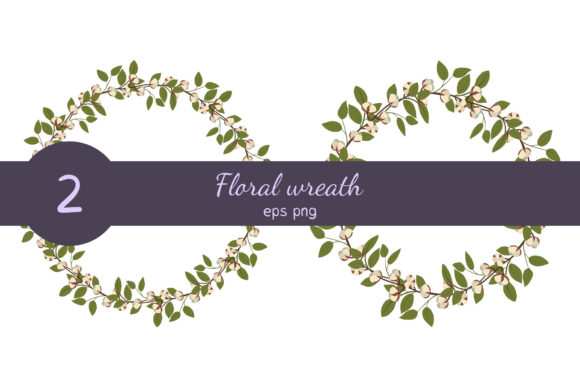
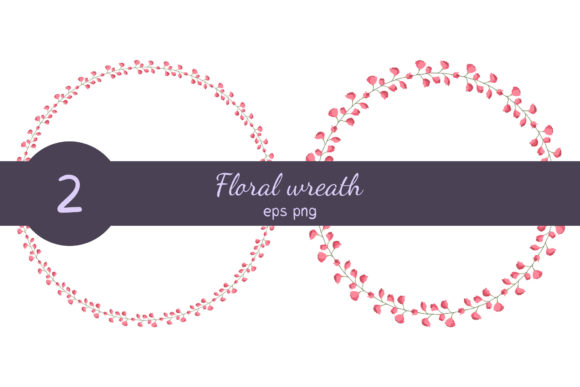
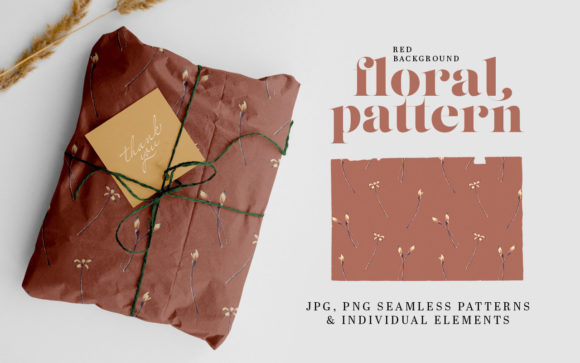
In a digital world, the enduring power of a heartfelt, physical card is often underestimated. The "Vector Floral Greeting Cards with Love" collection addresses this perfectly, merging timeless floral artistry with modern design flexibility. This is not simply a set of images; it is a versatile toolkit for anyone looking to communicate care, celebration, or connection with a personalized, polished touch. Whether you're a small business owner wanting to thank clients, a blogger creating exclusive content for subscribers, or simply someone who values beautiful stationery, understanding what this collection offers—and how to use it effectively—can transform your approach.
Beyond the Download: What You're Really Getting
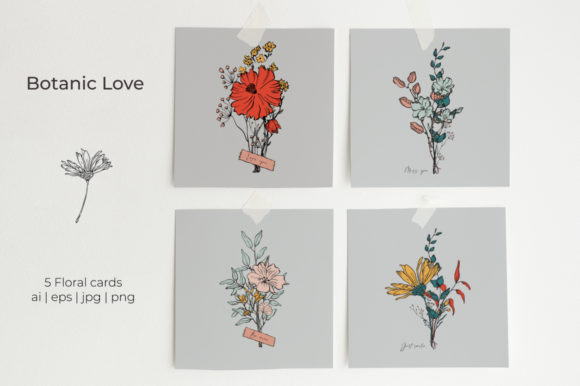
A common oversight is treating digital graphic collections like standard image downloads. When you acquire the "Meet my new Floral collection" zip file containing 5 pre-made cards in AI, EPS, PNG, and JPG formats, you're investing in a multi-format design system. Each format serves a distinct purpose. The PNG and JPG files are ready-to-use for quick digital sharing or basic printing. The true value, however, lies in the AI and EPS vector files. These are the source files, editable in professional software like Adobe Illustrator. They allow you to change colors, resize infinitely without quality loss, add text, or even extract individual floral elements to create entirely new compositions. Ignoring these vector files means missing the core benefit: complete creative control.
The High Cost of Low-Resolution Missteps
One of the most frequent and damaging mistakes is using the wrong file format for the wrong output. Imagine you design a beautiful invitation using a JPG file from the collection. You scale it up for a large format print, only to receive a blurry, pixelated result. This disappoints recipients and undermines your professionalism. The vector formats (AI/EPS) inherently prevent this. They define shapes with mathematical paths, not pixels. For any physical printing project—be it greeting cards, posters, or merchandise—starting with the vector source ensures razor-sharp quality at any size. Always check your intended output before you begin. If it's going to be printed, especially professionally, work from the AI or EPS file.
Practical Checklist Before You Start a Project
To avoid quality and workflow issues, ask yourself these questions:
- Final Use: Is this for web/social media (PNG/JPG suitable) or for physical print (Vector essential)?
- Customization Needed: Do I want to change the color palette or layout? If yes, I need the AI/EPS file and compatible software.
- Software Access: Do I have, or can I access, a program that opens AI/EPS files (e.g., Illustrator, Affinity Designer, free vector editors)?
- Color Mode: For print, am I converting the design to CMYK color mode from the likely RGB start? This prevents dull printed colors.
Overlooking the Efficiency of a Unified Collection
Beginners and busy professionals often source graphics piecemeal, leading to a disjointed aesthetic and time-consuming searches. This floral greeting card collection provides a cohesive visual language. The five designs are stylistically consistent, meaning you can use different cards for a campaign—like a launch announcement, a thank-you note, and a follow-up—and they will feel like part of a branded suite. This is invaluable for entrepreneurs, educators, and marketers building a recognizable identity. The mistake is viewing each card as isolated. The better approach is to see them as components of a system, planning their use across multiple touchpoints to create a stronger, more memorable impression.
The Customization Trap: Over-Editing vs. Enhancing
With the power to edit vectors comes a potential pitfall: over-customization. It's easy to get carried away, adding excessive text, clashing colors, or crowded elements that detract from the elegant floral artistry. The designs are created with balance and negative space. A better method is to enhance subtly. Use the vector files to maybe tweak a flower hue to match your brand's accent color, or gently place your message in the provided clean areas. Keep the original design's harmony as your guide. For example, instead of covering a delicate vine pattern with a large text box, use a graceful script font for your message alongside it. The goal is personalization that complements, not overwhelms.
Realistic Examples of Better Application
Consider a freelancer sending a project completion note. A poor approach would be taking a JPG, slapping a thick block of text over the center in a standard font, and printing it on home paper. A better, more professional approach:
- Open the AI file in Illustrator.
- Lightly adjust the background color to a softer tone.
- Add a custom, elegant thank-you message using a complementary script font, positioned thoughtfully in an open corner.
- Export a high-resolution PDF from the vector file for professional printing on quality cardstock.
The result feels exclusive, personal, and high-quality, strengthening the client relationship.
Assuming Compatibility Without Verification
A technical misunderstanding can halt progress: assuming all software can handle these files seamlessly. While PNG and JPG are universally supported, AI files are native to Adobe Illustrator. EPS is more widely readable but may still require a vector-editing program. If you don't have Illustrator, you might use a free alternative like Inkscape or online converters. However, always test the file import immediately after download. Verify that you can actually open, view, and edit the layers as expected. This simple step saves frustration and ensures you can utilize your purchase fully. If you encounter issues, seek tutorials specific to your software for importing vector formats—it's a common learning step for many creators.
Conclusion: A Resource for Meaningful Communication
Ultimately, the "Vector Floral Greeting Cards with Love" collection is more than digital art. It's a resource that bridges the gap between impersonal digital communication and the cherished tradition of sending a card. By understanding the formats, respecting the design intent, and planning your use, you avoid the common pitfalls that lead to poor quality, wasted time, and generic results. Whether you are a hobbyist creating birthday cards for family, a small business owner crafting client appreciation mailers, or a content developer needing beautiful visuals, this toolkit empowers you to produce something uniquely yours with efficiency and professional polish. Start with the vector source, customize with restraint, and always align the format with your final goal. The result will be a greeting card that truly conveys your message—with love and exceptional style.